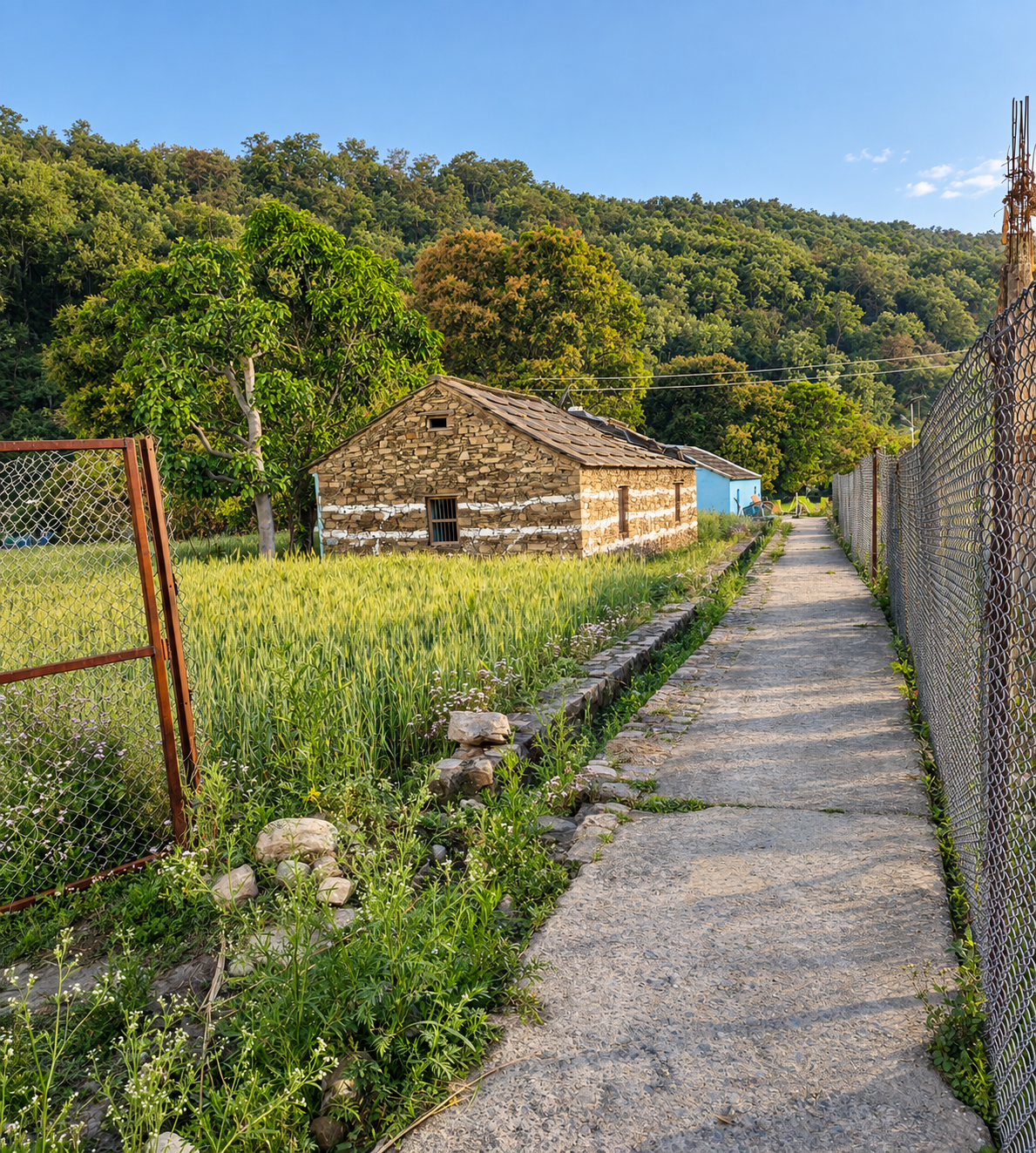
Everything you need to plan a memorable Jim Corbett trip — from choosing the right season and safari zone to finding the right accommodation and packing for the Himalayan foothills.
Jim Corbett National Park sits at the foot of the Himalayas in Uttarakhand, India — a landscape of river valleys, dense sal forests, grassy meadows, and rugged ridgelines. Planning a trip here well in advance can make the difference between a rushed visit and a genuinely memorable experience.
This guide covers the essentials: the best time to visit, how to approach safari planning, what a short itinerary might look like, and what to consider when choosing accommodation in the region.
Best Time to Visit Jim Corbett
Jim Corbett National Park is open to visitors from mid-November through mid-June. The park is closed during the monsoon months (roughly July to mid-November), though the surrounding area remains accessible.
November to February — Cool and Comfortable
This is widely considered the most pleasant season for a Jim Corbett trip. Temperatures are mild, the air is clear, and the dry conditions make wildlife more visible near water sources. Mornings can be cold, particularly in December and January, so carry warm layers. This period sees higher demand, so plan accommodation and safari permits early.
March to May — Warm but Good for Wildlife
As vegetation thins and temperatures climb (reaching 35–40°C in May), animals concentrate around rivers and watering holes, which can make sightings more frequent. The heat in April and May can be intense, especially in the afternoon. Early morning safaris are more comfortable during this period.
June — Late Season
The park begins closing zones progressively as the monsoon approaches. Some zones close earlier than others. Availability is lower and the landscape is drier. Check with the official forest department or an authorised operator before planning a June visit.
July to mid-November — Monsoon and Shoulder Period
The core park zones are closed during monsoon. However, the Jim Corbett region itself — with its rivers, forests, and Himalayan foothills — is lush and beautiful during this time. The area around Kunkhet and Ramnagar receives rainfall that fills rivers and revives the landscape. If wildlife safaris are not your primary goal, a monsoon-shoulder visit for nature immersion, riverside stays, and cooler temperatures can be rewarding.
Safari Planning at Jim Corbett
Jim Corbett National Park is divided into several zones. Each zone offers a different landscape and experience. Safari permits are required and must be booked through the official Uttarakhand Forest Department portal or through authorised agents.
General Considerations
- Safari permits have limited daily availability per zone. Peak-season permits (November–February) often book out days or weeks in advance.
- There are typically two safari slots per day — morning and afternoon. Timings vary by season; always check the official source for current schedules.
- Safaris are conducted in designated vehicles. Private vehicles are not permitted inside the core zones.
- Children below a certain age may have age-related entry restrictions depending on zone rules. Verify before booking.
- Wildlife sightings, including tigers, elephants, and birds, are never guaranteed. Go with the intention of experiencing the landscape; sightings are a bonus.
Important: Safari rules, permit prices, age restrictions, and booking processes are set and updated by the Uttarakhand Forest Department. Always refer to the official government portal or an authorised operator for the most current information. Do not rely on third-party websites for permit availability or timings.
A Practical Itinerary for a Short Jim Corbett Visit
The following is a suggested framework for a two- to three-night visit. Actual timings will depend on your travel date, the zone you choose, and permit availability.
Day 1 — Travel and Arrival
- Travel to the Jim Corbett region from Delhi or Dehradun. The Ramnagar railway station is the closest major rail connection. By road, the Ramnagar area is roughly 250–300 km from Delhi via the Moradabad highway.
- Check in to your accommodation, rest, and orient yourself to the surroundings.
- In the evening, explore the immediate landscape — riverside areas, forested trails, or the local town if you are staying near Ramnagar or Kunkhet.
Day 2 — Safari and Nature
- Take an early morning safari if you have a permit. Return for breakfast and a rest during the warmest part of the day.
- Afternoon: explore the area near your accommodation. Many properties in the Jim Corbett region are surrounded by forests and riverside terrain that offer quiet walks.
- Evening: settle into the natural environment — open skies, birdsong, and if your property offers it, a bonfire under open skies.
Day 3 — Second Safari or Exploration
- A second morning safari, if booked, or a more relaxed morning exploring the area.
- Visit the Corbett Museum near Dhikala, or the Garjiya Devi Temple near Ramnagar, which is a historically significant site beside the Kosi River.
- Depart in the afternoon or evening.
Choosing Accommodation in Jim Corbett
The Jim Corbett region offers a wide range of accommodation options — from large forest resorts to smaller, more private retreats. When choosing where to stay, consider the following:
- Location relative to safari zones: If safari access is your priority, consider how far your accommodation is from your chosen zone's entry gate.
- Group size and privacy: Larger resorts suit big groups; smaller retreats often suit couples, families, or travellers who prefer a quieter experience.
- Setting: Do you want to be close to the forest, beside a river, or near the town for convenience? Each setting offers a different experience.
- Advance booking: Peak season accommodation in the Jim Corbett area fills quickly. Book well in advance, especially for November–February stays.
Heaven River Retreat is a riverside property in the Jim Corbett region, located in Kunkhet, Uttarakhand. It offers private cottage stays surrounded by forests, open meadows, and Himalayan foothills. If you are looking for a peaceful, nature-immersive base for your Jim Corbett visit, you can explore the accommodation or submit a booking request online.
Packing Tips for Jim Corbett
- Layered clothing: Mornings and evenings can be significantly cooler than the afternoon, especially from November to February. Pack layers you can add and remove.
- Neutral colours for safari: Bright colours can disturb wildlife. Earthy tones — greens, browns, khakis — are more appropriate in forested areas.
- Insect protection: Particularly in warmer months and near water. A good repellent is useful.
- Sun protection: At higher temperatures and elevation, sunscreen, a hat, and sunglasses are essential.
- Binoculars: Useful for wildlife spotting and birdwatching. Jim Corbett is one of India's important birdwatching areas.
- Power bank and camera: Connectivity can be intermittent in forested areas; a charged power bank is practical.
- Cash: Some areas in the region have limited ATM access; carry adequate cash especially for smaller local vendors.
Frequently Asked Questions
Can I visit Jim Corbett National Park without booking a safari?
Yes. The Jim Corbett region has many natural areas, riverside landscapes, and forest zones outside the core national park where you can explore without a safari permit. However, if you want to enter the designated national park zones, a permit is required.
How do I book a Jim Corbett safari permit?
Safari permits are issued through the Uttarakhand Forest Department's official online portal and through authorised tour operators. It is advisable to book well in advance, especially during peak season (November to February).
Is Jim Corbett suitable for families with children?
Yes, Jim Corbett is generally suitable for families. However, some safari zones have minimum age restrictions for vehicle safaris. Check the current rules before booking. Nature stays, riverside walks, and cultural experiences are accessible for all ages.
How far is Jim Corbett from Delhi?
The Ramnagar area, which is the main access point for Jim Corbett National Park, is approximately 250 to 300 km from Delhi by road, typically a five- to six-hour drive depending on traffic and route. Ramnagar also has rail connections from Delhi.
What is the nearest airport to Jim Corbett?
The nearest airport is Pantnagar Airport, approximately 80 km from Ramnagar. Indira Gandhi International Airport in Delhi is the closest major international airport, from where road or rail onward travel is typically used.
Can I contact Heaven River Retreat for accommodation enquiries?
Yes. To enquire about a stay at Heaven River Retreat in Jim Corbett, you can submit a booking request online, or call directly on 9211228312. Our team will respond within 24 hours.
Planning a Stay in Jim Corbett?
Heaven River Retreat is a riverside property in the Jim Corbett region, offering private cottage stays surrounded by nature in Kunkhet, Uttarakhand. To enquire about availability or submit a booking request, visit our booking page or call us on 9211228312.
Enquire About a Stay at Heaven River Retreat
Heaven River Retreat is a riverside property in Kunkhet, Jim Corbett, offering private cottage stays surrounded by Himalayan forests and open meadows. To check availability or submit a booking request, contact us directly.